
Hariti: First-Person Psychological Horror Preview & Lore Breakdown
Hariti (鬼子母) is a realistic first-person psychological horror game developed by Ghostcase. Trapped inside a decaying Chinese medical facility, a desperate mother navigates supernatural apparitions and ancient Buddhist folklore to uncover the truth behind her missing daughter.
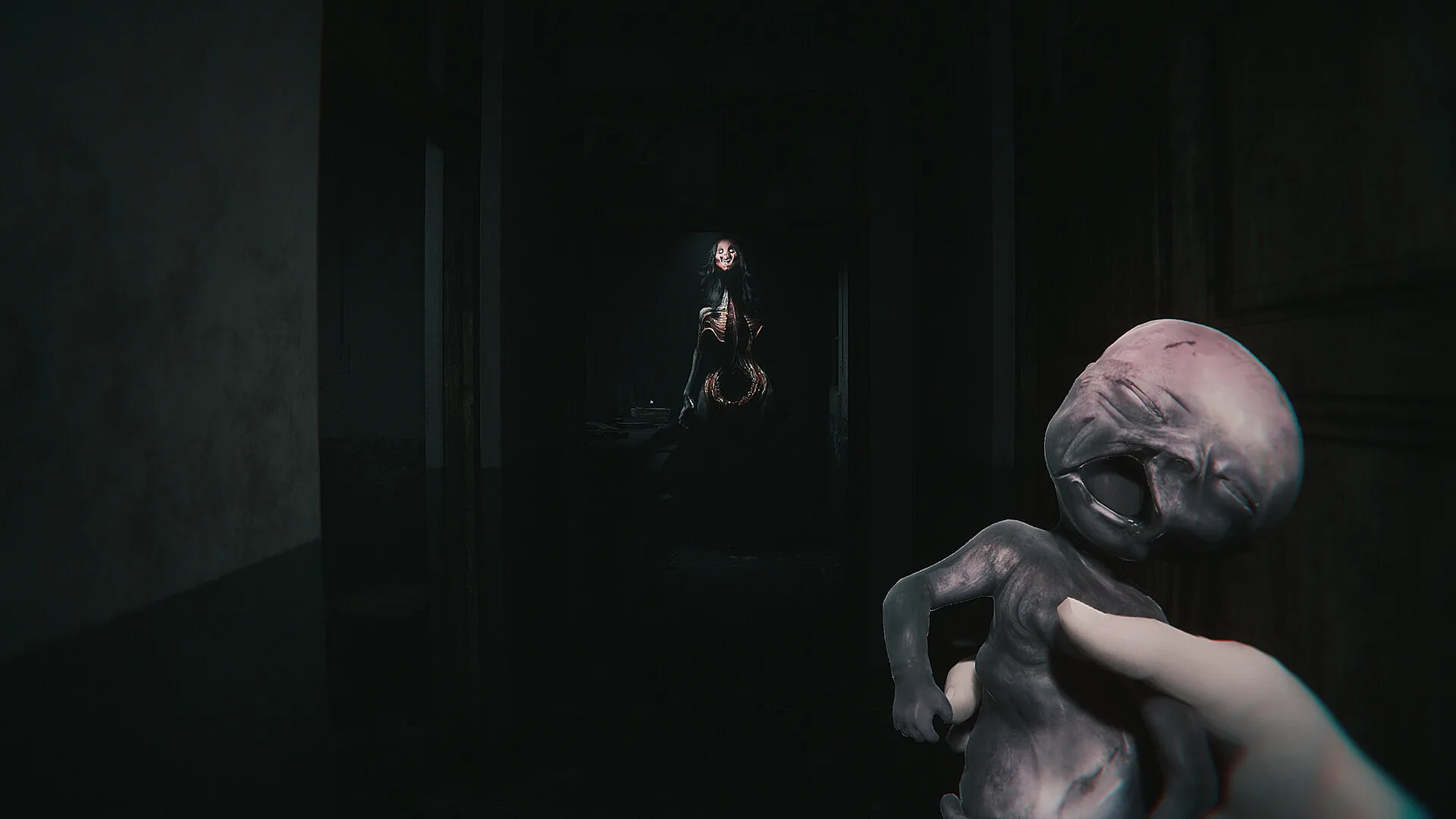
Hariti (鬼子母) at a glance
As Eastern folklore and psychological horror continue to captivate indie gamers worldwide, developer Ghostcase has released Hariti (鬼子母)—a first-person psychological horror game rooted in Chinese cultural folklore and urban dread.
Instead of relying on mindless jump-scares or heavy run-and-gun combat, Hariti constructs an overwhelming sense of claustrophobia within the crumbling corridors of a decommissioned Chinese medical facility.
- Developer / Publisher
- Ghostcase
- Genre
- First-Person Psychological Horror
- Release Date
- August 11, 2026
- Platform
- PC (Steam)
- Perspective
- First-Person
- Steam App ID
- 4018740
- Languages
- 12 (incl. English, Simplified & Traditional Chinese)
- Steam Features
- Achievements, Steam Cloud, Family Sharing
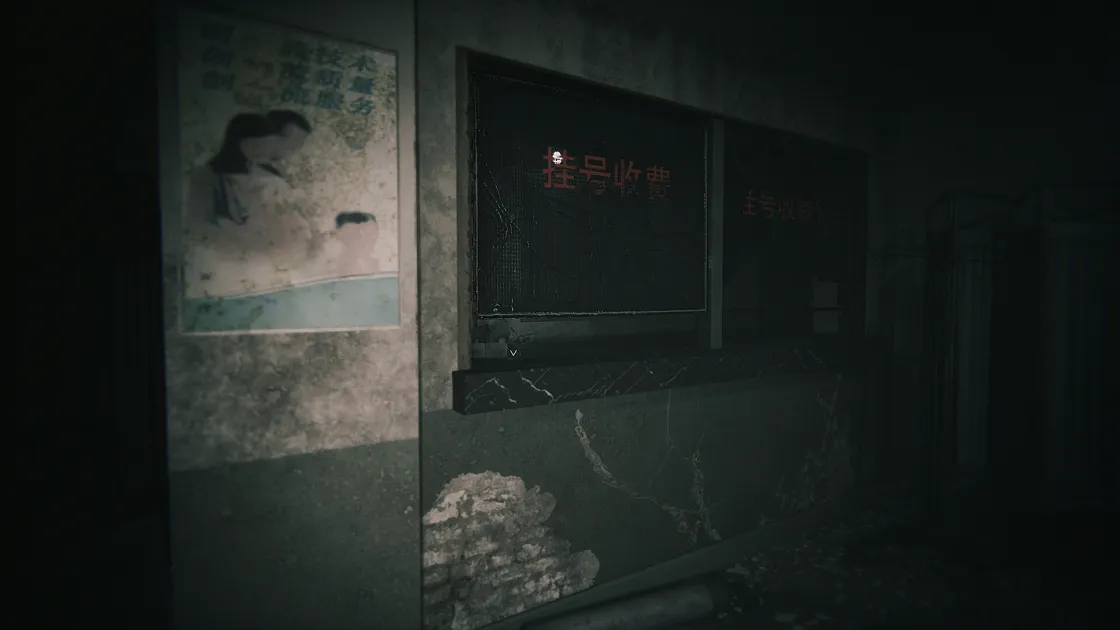
Official Steam listing: Hariti on Steam.
Official trailer: Atmosphere in motion
To fully appreciate Hariti’s oppressive atmosphere, seeing the game in motion is essential. Ghostcase's official announcement trailer highlights the subtle environmental details—flickering fluorescent tubes, peeling paint, and the unsettling sound of distant weeping.
Story & setting: A mother’s desperate descent
The emotional core of Hariti centers on parental anguish. Players step into the shoes of a mother whose young daughter has mysteriously disappeared. Tracing faint clues and rumors, her search pulls her into a condemned hospital long abandoned by the authorities.
Where did her daughter go? What forbidden practices occurred within these sterile, shuttered wards? To survive, the protagonist must venture deeper into the facility, piece together scattered case records, and confront the tragic, sinister secrets hidden behind closed doors.
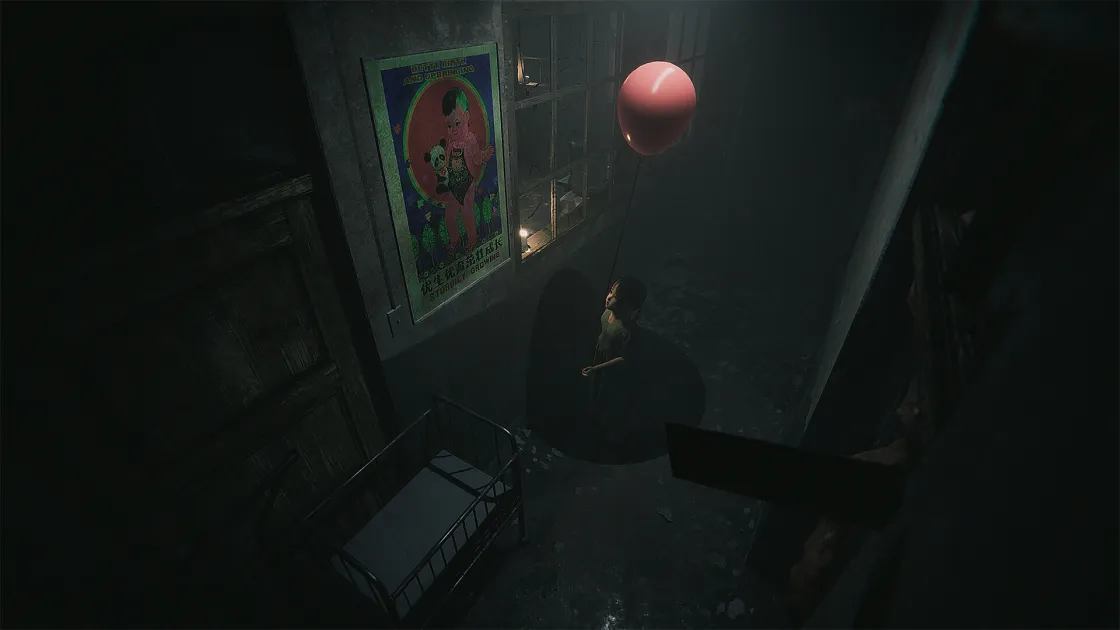
The Hariti legend: East Asian folklore dread
The game takes its namesake from Hariti (known in Chinese mythology and Buddhist lore as Guǐzǐmǔ - 鬼子母, and in Japanese as Kishimojin). In traditional Buddhist myth (recorded in scriptures such as the Samyukta Ratna Pitaka Sutra), Hariti was originally a yakshini demoness with five hundred children of her own. To feed them, she abducted and devoured human children in the ancient city of Rajgir.
To teach her compassion and the unbearable agony of parental loss, Shakyamuni Buddha hid her youngest and most beloved child, Pingala, beneath his alms bowl. In her despair, Hariti wept across heaven and earth, realizing the grief she had inflicted on human parents. Upon her vow to never harm another child, the Buddha returned Pingala and elevated Hariti to a revered guardian deity of mothers, safe childbirth, and child protection.
Ghostcase subverts this ancient legend with chilling precision:
- Maternal devotion turned monstrous: In Hariti, maternal love is not merely warm and nurturing; it is an overwhelming, obsessive force capable of bending reality and summoning eldritch forces.
- Illicit fertility rites: Scattered case files throughout the hospital reveal that doctors and desperate patients turned to forbidden rituals when conventional medicine failed, creating supernatural anomalies born from grief.
- Karmic retribution: Every horror encountered within the clinic is an echo of a parental tragedy, forcing the protagonist to confront the terrifying boundary between human compassion and demonic wrath.
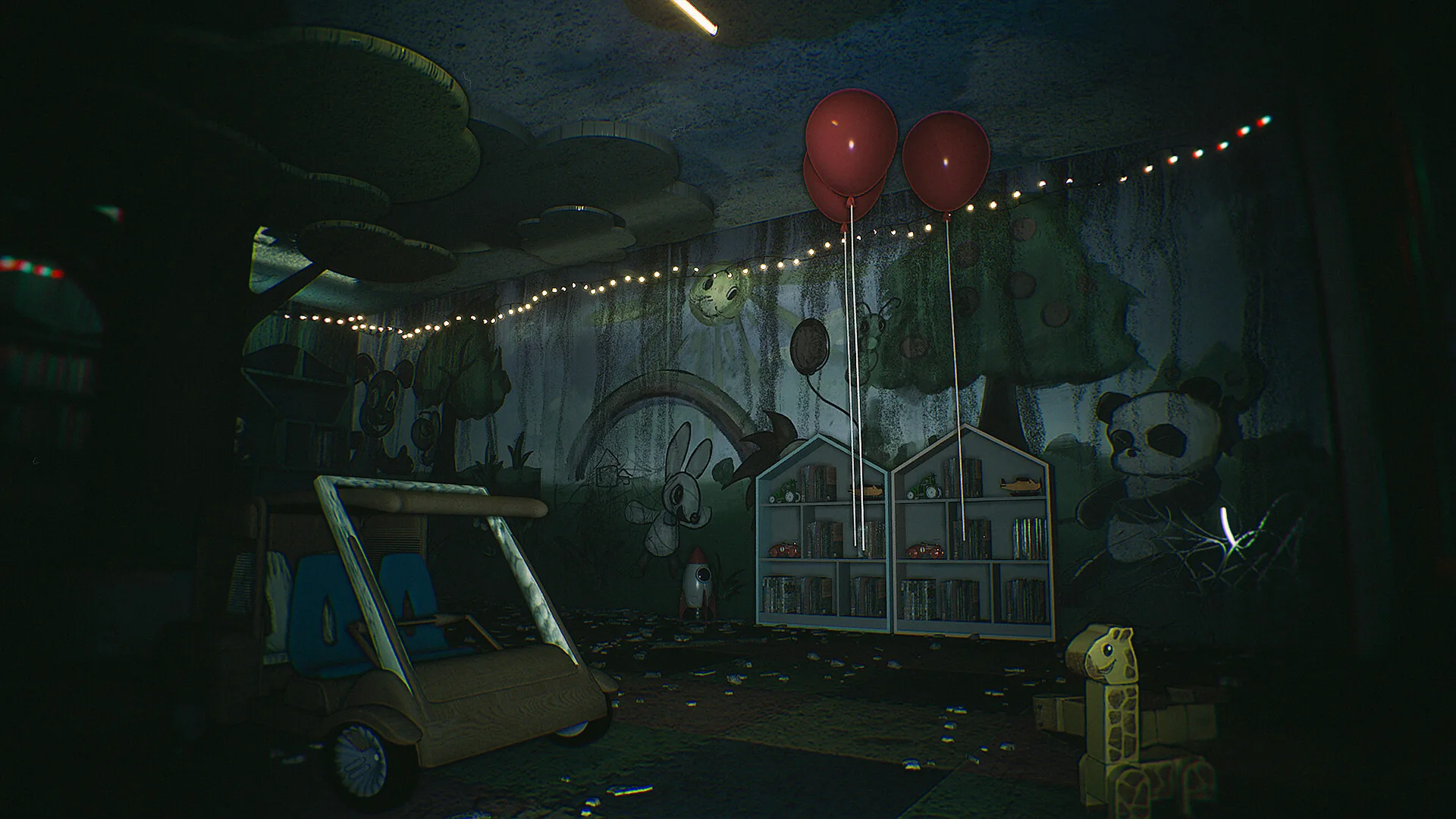
Derelict hospital corridors & psychological tension
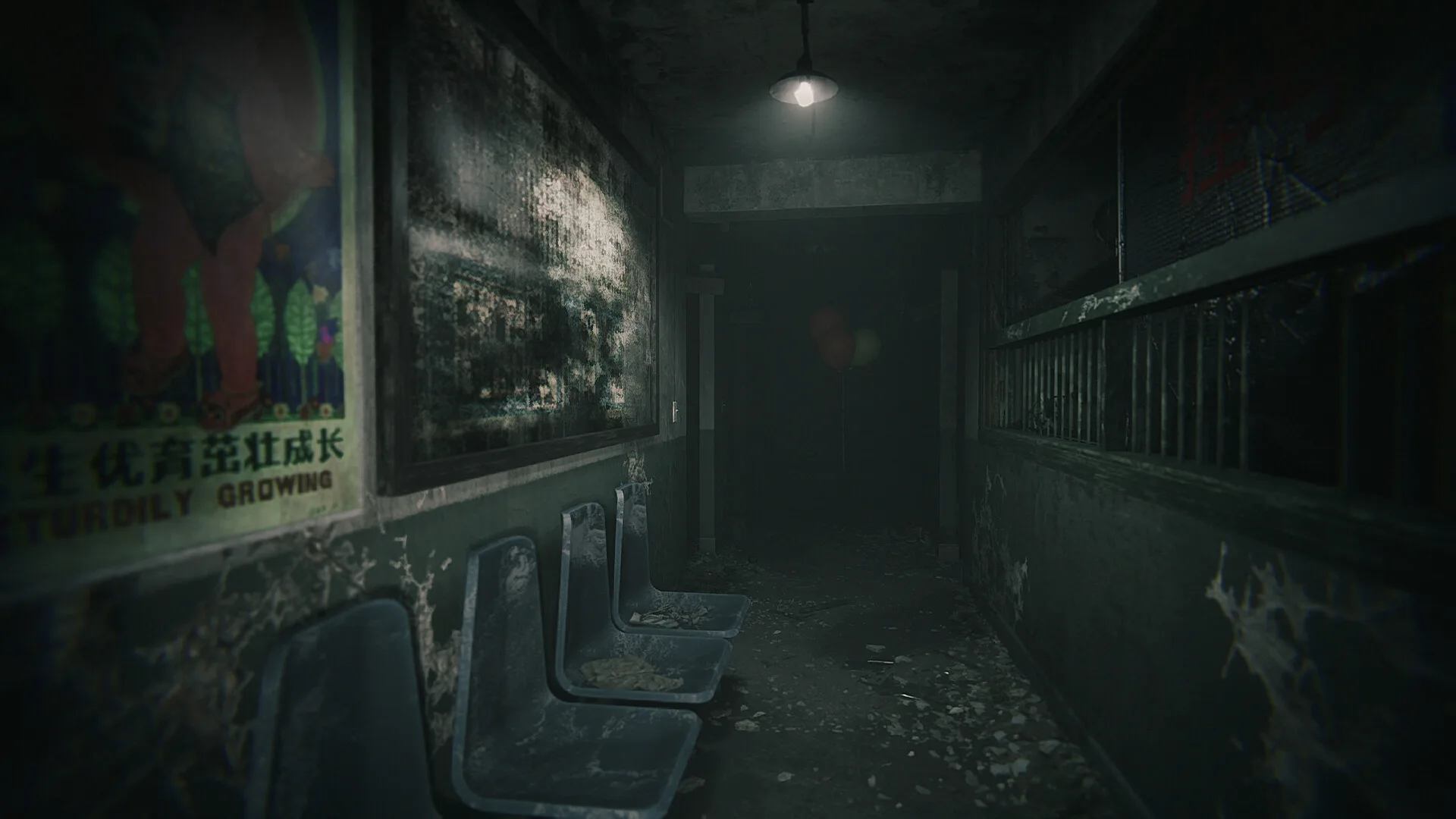
Hariti emphasizes cultural familiarity distorted into nightmare. Anyone familiar with mid-to-late 20th-century public institutions across East Asia will recognize the distinctive architectural hallmarks:
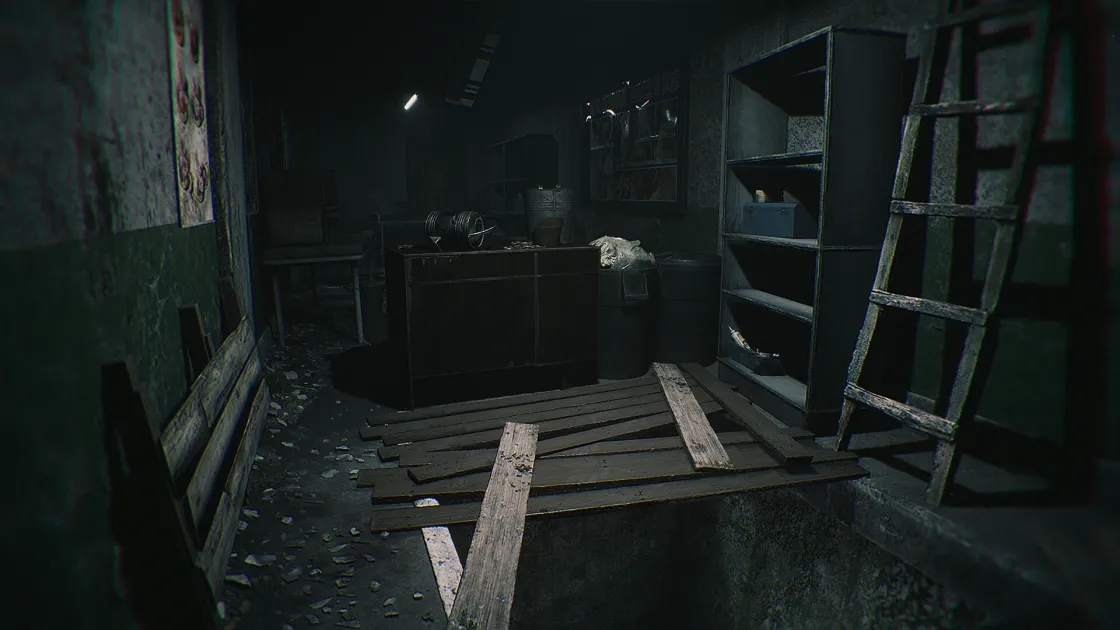
- Two-tone walls: The iconic pale green lower halves and off-white upper walls, now flaking, water-damaged, and stained with grime.
- Vintage signage & medical charts: Handwritten patient dossiers, faded health instruction posters, and rusted metal filing cabinets.
- Auditory disorientation: Distant infant cries, metallic creaks of gurney wheels, and heavy, shuffling footsteps reverberating across empty tiled halls.
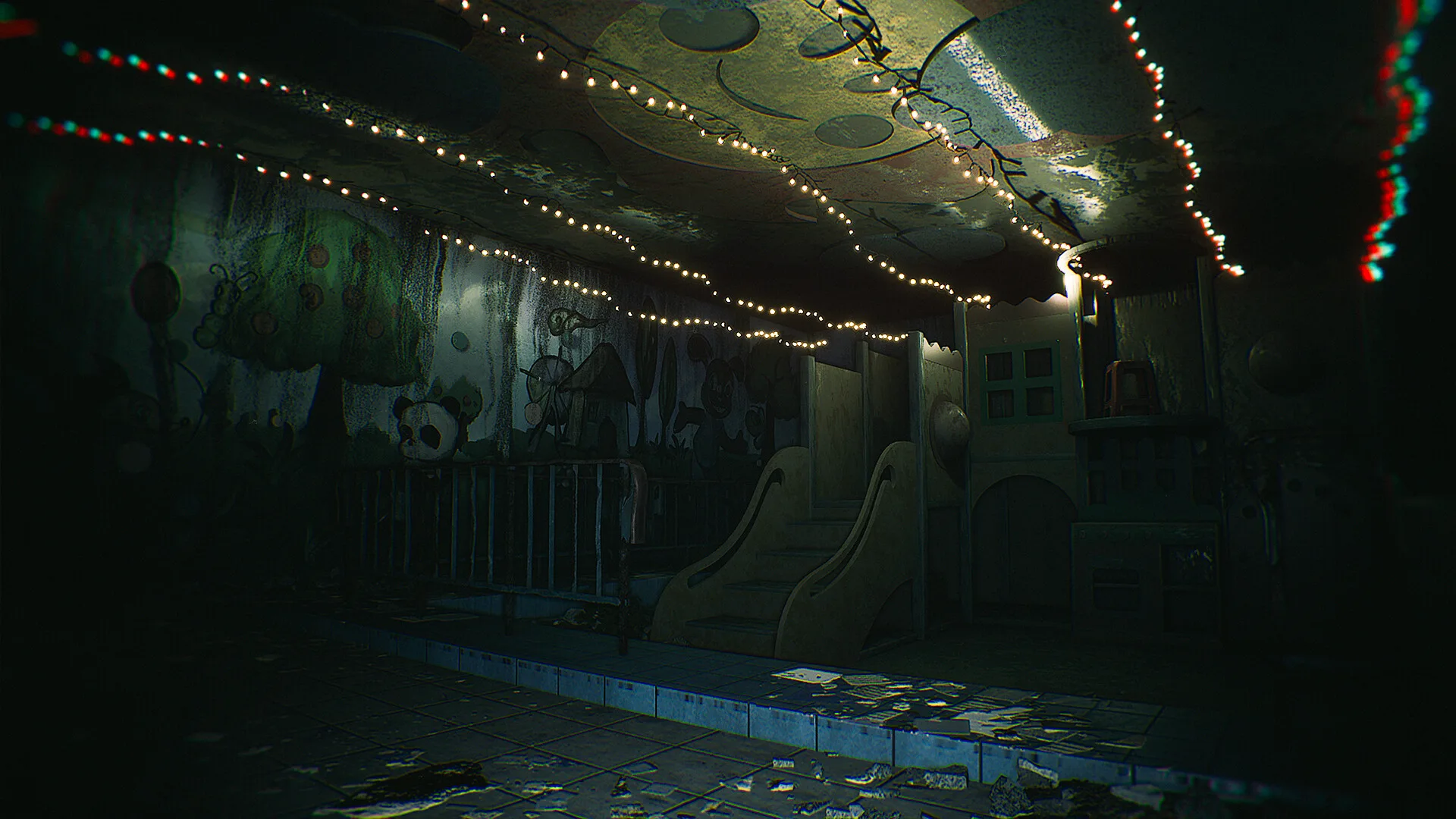
Lighting in Hariti plays a critical role in pacing. Instead of plunging the player into pitch-black darkness, the game utilizes sickly fluorescent greens, dim incandescent ambers, and sudden flushes of blood-red emergency light to heighten paranoia.
Investigation, talisman & survival mechanics
According to official release details, Hariti foregoes standard firearm combat in favor of atmospheric exploration, environmental puzzles, and esoteric survival implements:
- Environmental Investigation: Players must inspect patient charts, autopsy records, and personal belongings to discover passwords and unlock access to quarantined wings.
- The Desiccated Infant Talisman: As stated in the developer's release notes: "Take up the appropriate 'weapon' and uncover the secrets behind the story." In one of the game's most macabre design choices, the mother carries a withered infant relic. This object acts as both a spiritual compass—trembling when malevolent presences draw near—and a protective ward against apparitions.
- Stealth & Evasion: Avoiding direct confrontation with unnatural entities wandering the corridors is vital, as defensive options remain strictly constrained and stamina must be carefully conserved.
Submerged wards & environmental storytelling
As players delve deeper into the lower levels of the medical facility, the architecture deteriorates from recognizable municipal hospital wards into surreal, waterlogged nightmares. Broken water mains flood the basement corridors with black, stagnant water, concealing obstacles and submerged horrors beneath the surface.
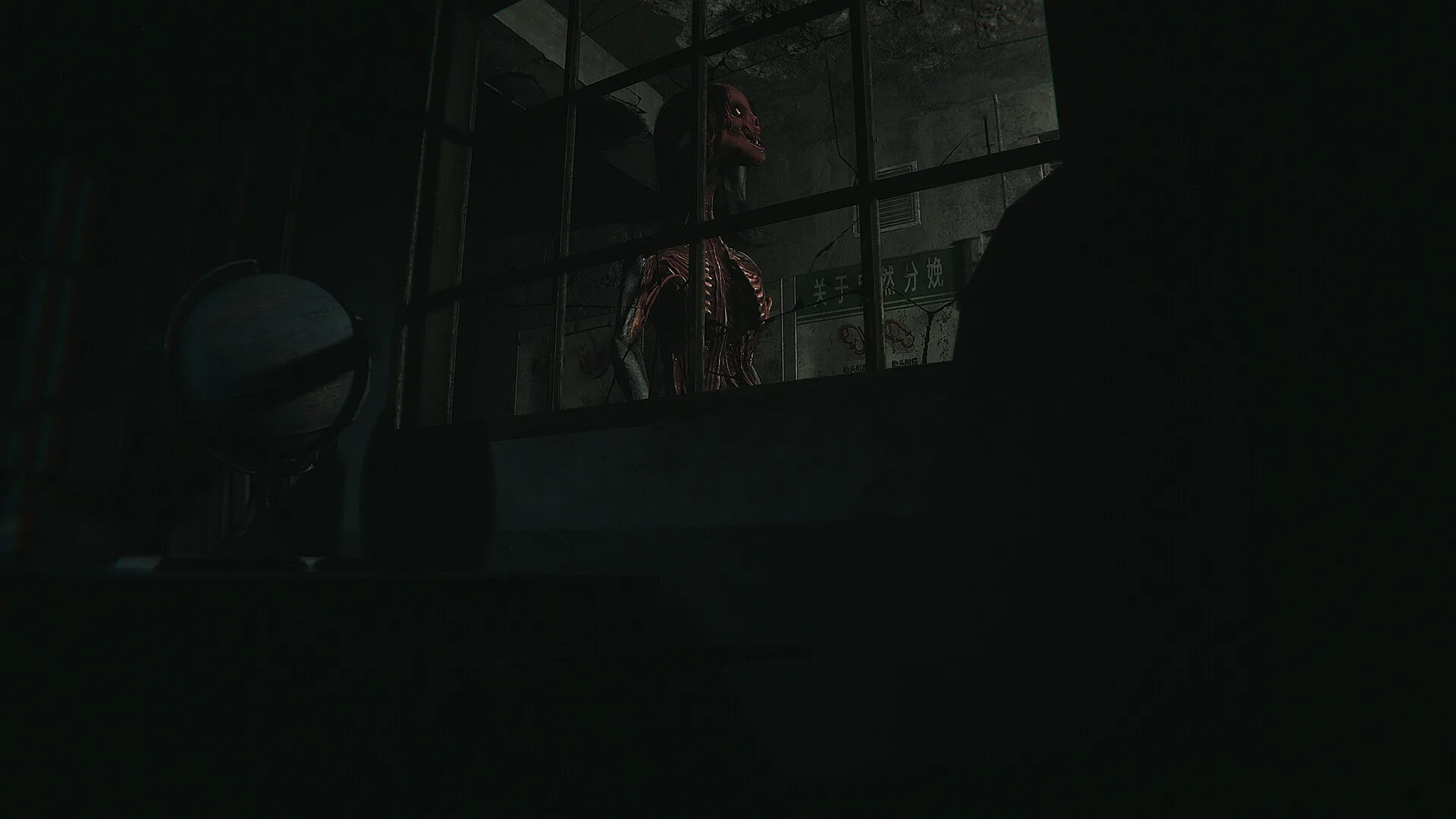
The presence of medical mannequins and biological flesh masses entwined around plumbing pipes illustrates how the line between clinical science and occult fanaticism dissolved before the hospital was condemned.
Official achievements & narrative foreshadowing
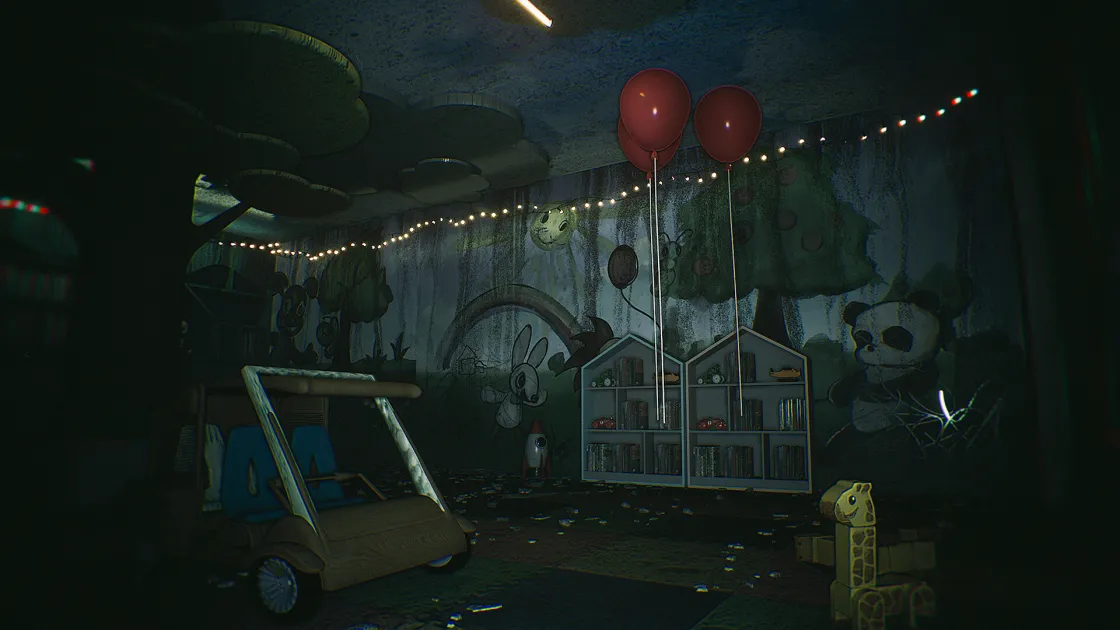
The official Steam database reveals 8 key achievements that highlight pivotal story beats, psychological turning points, and eerie encounters:

Hide and Seek
Awarded for evading an omnipresent stalker during high-stakes stealth sequences through narrow ward corridors.

Lost Souls
Uncovered by finding scattered patient case files that document the sudden, panic-fueled evacuation of the hospital.
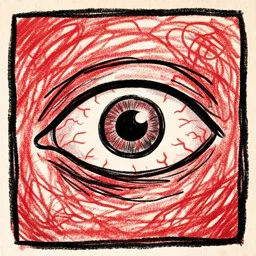
The Woman in Red
Encountering the quintessential Eastern horror archetype (Hóngyī Nǚguǐ), embodying unresolved grief and karmic grudge.

Strange Noise
Tracking anomalous acoustic distortions through ventilation shafts and elevator corridors to uncover hidden wards.

"Mommy"
A haunting psychological milestone where maternal devotion is weaponized and simulated by supernatural presences.

Baby
Tied to discovering the truth behind the pediatric incubators and the illicit fertility rites conducted in secret.

Dollhouse
Surviving the surreal flooded chamber where childhood porcelain dolls animate and track the protagonist’s movements.

Hariti
The climactic confrontation with the legendary deity herself, determining the ultimate fate of the missing child.
How Hariti fits into modern Asian psychological horror
Over the past decade, Asian indie psychological horror has carved out a uniquely terrifying niche in gaming. By centering intimate family trauma within culturally authentic settings, these titles resonate on a deeper psychological level than conventional monster-hunting games.
Hariti stands shoulder-to-shoulder with several influential titles in the genre:
- Devotion (還願, Red Candle Games): Like Devotion, Hariti grounds its supernatural dread in parental desperation, religious obsession, and the tragedy of a family falling apart under immense societal pressure.
- The Bridge Curse (女鬼橋, Softstar): Both titles draw heavily from modern urban legends and institutional haunting, using tight indoor spaces and stealth to keep the player vulnerable.
- Detention (返校, Red Candle Games): Shares the heavy thematic weight of institutional guilt, karmic cycles, and historical public infrastructure turned into a labyrinth of psychological torment.
- Paper Dolls (紙人, Beijing Litchi): Like Paper Dolls, Hariti incorporates authentic Taoist and Buddhist talismanic mechanics, requiring players to understand spiritual symbolism rather than relying on modern weaponry.
Streamer playthrough & community reactions
While official trailers show off visual polish, nothing reveals how a psychological horror game genuinely feels quite like live player reactions. Popular horror content creator xKarutaClanx took on Hariti, capturing the sheer panic, uneasy stillness, and frantic searches for safe spots as entities roam the corridors.
Watching real playthroughs highlights what makes the game's design effective: players can't rely on brute-force reflexes. Key survival takeaways observed across community streams include:
- Conserve stamina: Sprinting produces loud footsteps that immediately alert roaming entities down adjacent halls. Walk whenever possible.
- Monitor the Talisman: Keep the withered infant relic visible when traversing unfamiliar wings; subtle vibrations and lighting changes indicate an entity's ambush radius.
- Examine both sides of case records: Several key door codes are scribbled faintly on the reverse sides of handwritten medical reports.
Prefer an uninterrupted guide? See HGH Horror Games House's No-Commentary 4K Walkthrough for puzzle solutions.
System requirements & language support
Hariti is designed to run efficiently on a broad range of PC hardware, making it accessible to indie horror fans without requiring ultra-high-end graphics cards.
- OS
- Windows 7 / 10 (64-bit)
- Processor
- Intel Core i5
- Memory
- 8 GB RAM
- Graphics
- NVIDIA GeForce GTX 1060
- Storage
- 5 GB available space
- Audio
- Stereo / Headphones recommended
Supported Languages: English, Simplified Chinese, Traditional Chinese, Japanese, Korean, French, German, Spanish (Spain), Russian, Thai, Portuguese (Brazil), and Portuguese (Portugal).
Frequently asked questions
How long does it take to complete Hariti?
A standard playthrough of Hariti takes approximately 2 to 3 hours, depending on how thoroughly players search for scattered case files, solve environmental puzzles, and manage stealth sequences.
Is there combat in Hariti, or is it purely stealth?
Hariti emphasizes evasion, environmental puzzles, and spiritual warding. Rather than conventional guns or melee weapons, players utilize defensive implements and the withered infant talisman to ward off supernatural apparitions and manipulate puzzles.
Does Hariti have multiple endings?
The narrative branches based on critical choices made during the final sequences and the number of patient case files recovered, reflecting different facets of the Hariti myth and the mother's acceptance of truth.
Is Hariti a multiplayer game?
No. Hariti is an exclusively single-player experience focused on narrative immersion, psychological tension, and solitary exploration.
Can Hariti be played directly in a web browser?
No. Hariti is a standalone 3D PC title distributed through Steam. It requires a local download and Windows installation.
Who is the developer of Hariti?
The game is developed and published by Ghostcase, an independent studio specializing in psychological and folklore-driven horror games.
Why horror enthusiasts should check it out
For players captivated by atmospheric titles like Devotion, The Bridge Curse, or Detention, Hariti offers a gripping blend of cultural mythology, claustrophobic hospital exploration, and genuine psychological dread.
With accessible system requirements, comprehensive localization, and a narrative grounded in the harrowing pursuit of a lost child, it stands out as an intriguing addition to the modern psychological horror landscape.
Get Hariti on Steam
Experience the psychological horror of Hariti on PC. Visit the official Steam store page for full details, community updates, and purchase options.
View Hariti on Steam ↗